

/ Home
/ About CTG
/ Green Life
/ Business
/ News & Media
/ Sustainability
Chinese
English

A glimpse into cascade hydropower stations on Qingjiang River in Central China's Hubei Province

Date: 2025-03-18
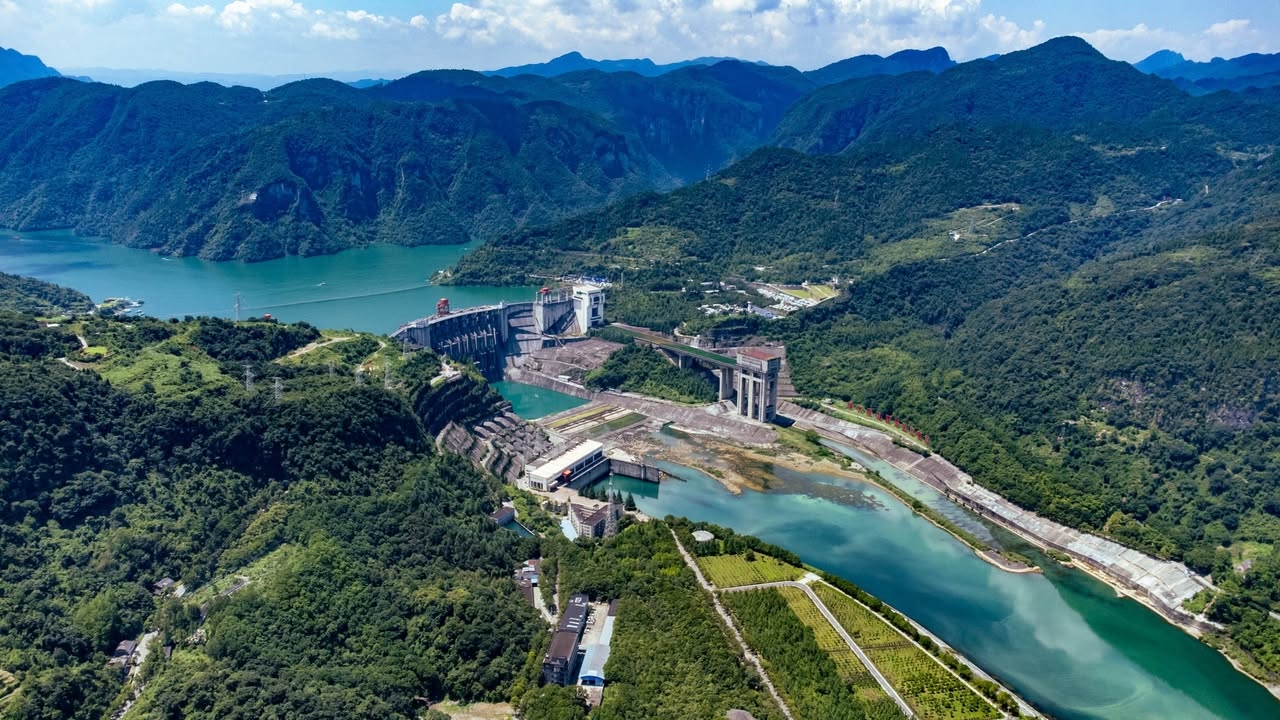
On the Qingjiang River in central China's Hubei Province, three grand hydropower stations—Geheyan, Gaobazhou, and Shuibuya—stand tall, forming the Qingjiang cascade hydropower system.

With a designed annual generation capacity of 8 billion kWh, the Qingjiang cascade hydropower stations represent the largest hydropower base in central and eastern China, second only to the Three Gorges project.

Each of the stations has its own unique features.

With a total installed capacity of around 1.21 million kW, Geheyan Hydropower Station is designed to generate 3.04 billion kWh of electricity annually.

By the end of 2024, it had produced approximately 80.02 billion kWh in total—equivalent to reducing around 67.05 million tonnes of carbon dioxide emissions.

Gaobazhou Hydropower Station has a total installed capacity of 270,000 kW and a designed annual generation of 898 million kWh.

By the end of 2024, it had generated a cumulative total of 21.77 billion kWh, helping cut carbon dioxide emissions by 18.25 million tonnes.

Shuibuya Hydropower Station boasts a total installed capacity of 1.84 million kW and a designed annual generation of 3.984 billion kWh.
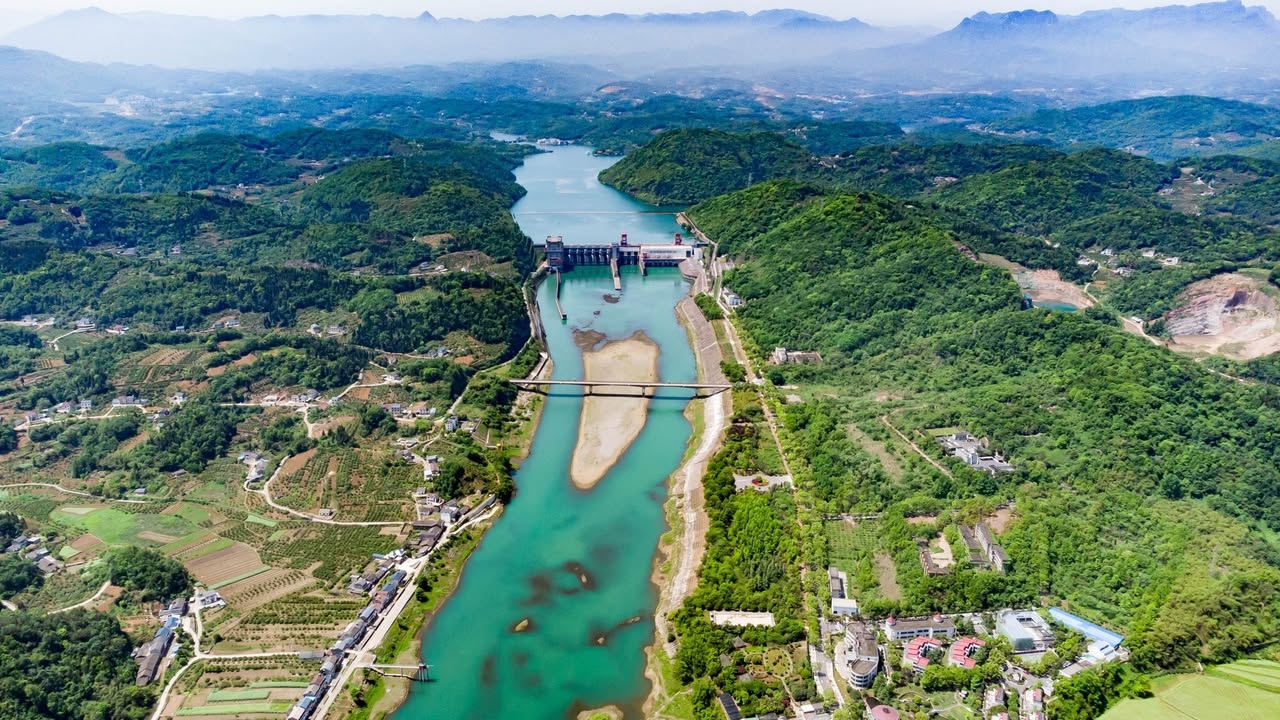
By the end of 2024, it had generated about 62.6 billion kWh of electricity, equivalent to a reduction of roughly 52.45 million tonnes of carbon dioxide emissions.

Harnessing the power of water, the Qingjiang cascade hydropower stations generate clean energy while sustaining the river’s beauty and vitality.


All Copyrigh

By China Three Gorges Corporation

Reprinting or mirroring is strictly prohibited without written authorization,

and offenders will be held liable.
A glimpse into cascade hydropower stations on Qingjiang River in Central China's Hubei Province

Date: 2025-03-18

On the Qingjiang River in central China's Hubei Province, three grand hydropower stations—Geheyan, Gaobazhou, and Shuibuya—stand tall, forming the Qingjiang cascade hydropower system.

With a designed annual generation capacity of 8 billion kWh, the Qingjiang cascade hydropower stations represent the largest hydropower base in central and eastern China, second only to the Three Gorges project.

Each of the stations has its own unique features.

With a total installed capacity of around 1.21 million kW, Geheyan Hydropower Station is designed to generate 3.04 billion kWh of electricity annually.

By the end of 2024, it had produced approximately 80.02 billion kWh in total—equivalent to reducing around 67.05 million tonnes of carbon dioxide emissions.

Gaobazhou Hydropower Station has a total installed capacity of 270,000 kW and a designed annual generation of 898 million kWh.

By the end of 2024, it had generated a cumulative total of 21.77 billion kWh, helping cut carbon dioxide emissions by 18.25 million tonnes.

Shuibuya Hydropower Station boasts a total installed capacity of 1.84 million kW and a designed annual generation of 3.984 billion kWh.

By the end of 2024, it had generated about 62.6 billion kWh of electricity, equivalent to a reduction of roughly 52.45 million tonnes of carbon dioxide emissions.

Harnessing the power of water, the Qingjiang cascade hydropower stations generate clean energy while sustaining the river’s beauty and vitality.


All Copyrigh

By China Three Gorges Corporation

Reprinting or mirroring is strictly prohibited without written authorization,

and offenders will be held liable.

Contact Us
Address :No. 1 Liuhe Road, Jiang'an District, Wuhan City, Hubei Province, China

Site Map

Link

Copyright 2022-2026 - China Three Gorges Corporation. All rights reserved.
Copyright 2022-2026 - China Three Gorges Corporation.